

Key TakeawaysHide
- Diploma Kemahiran Malaysia (DKM) is a Level 4 qualification, distinct from Sijil Kemahiran Malaysia (SKM) Levels 1 to 3.[1]
- Entry depends on the programme and your existing qualifications. Some offers include earlier SKM stages before DKM rather than DKM alone.[1][2]
- Pengiktirafan Pencapaian Terdahulu (PPT), or recognition of prior achievement, assesses skills you already have. Work experience alone does not guarantee a DKM award.[3]
- Duration depends on the starting stage and route. Training hours in Department of Skills Development (JPK) guidance are not a ready conversion into months of study.[4]
- Degree entry and credit transfer have separate conditions. DKM does not automatically secure a place or exemptions from modules.[5][6]
If you are considering further study after SKM, Diploma Kemahiran Malaysia (DKM) is one option in the skills pathway. Jabatan Pembangunan Kemahiran (JPK), Malaysia's Department of Skills Development, lists DKM at Level 4, separately from Sijil Kemahiran Malaysia (SKM) Levels 1 to 3.[1]
For someone who already holds SKM Level 3, the decision is about more than moving up a level. Your field, the skills you want to learn and the time you can commit need to fit the actual DKM programme. A diploma title alone cannot tell you whether that fit is there.
How does DKM differ from an academic diploma?
DKM is a diploma in the skills pathway, while an academic diploma follows its own programme and curriculum. DKM sits at Level 4, but sharing the word “diploma” does not make course content, assessment or further study requirements identical. The useful comparison is between specific programmes and what you want from them.[1][5]
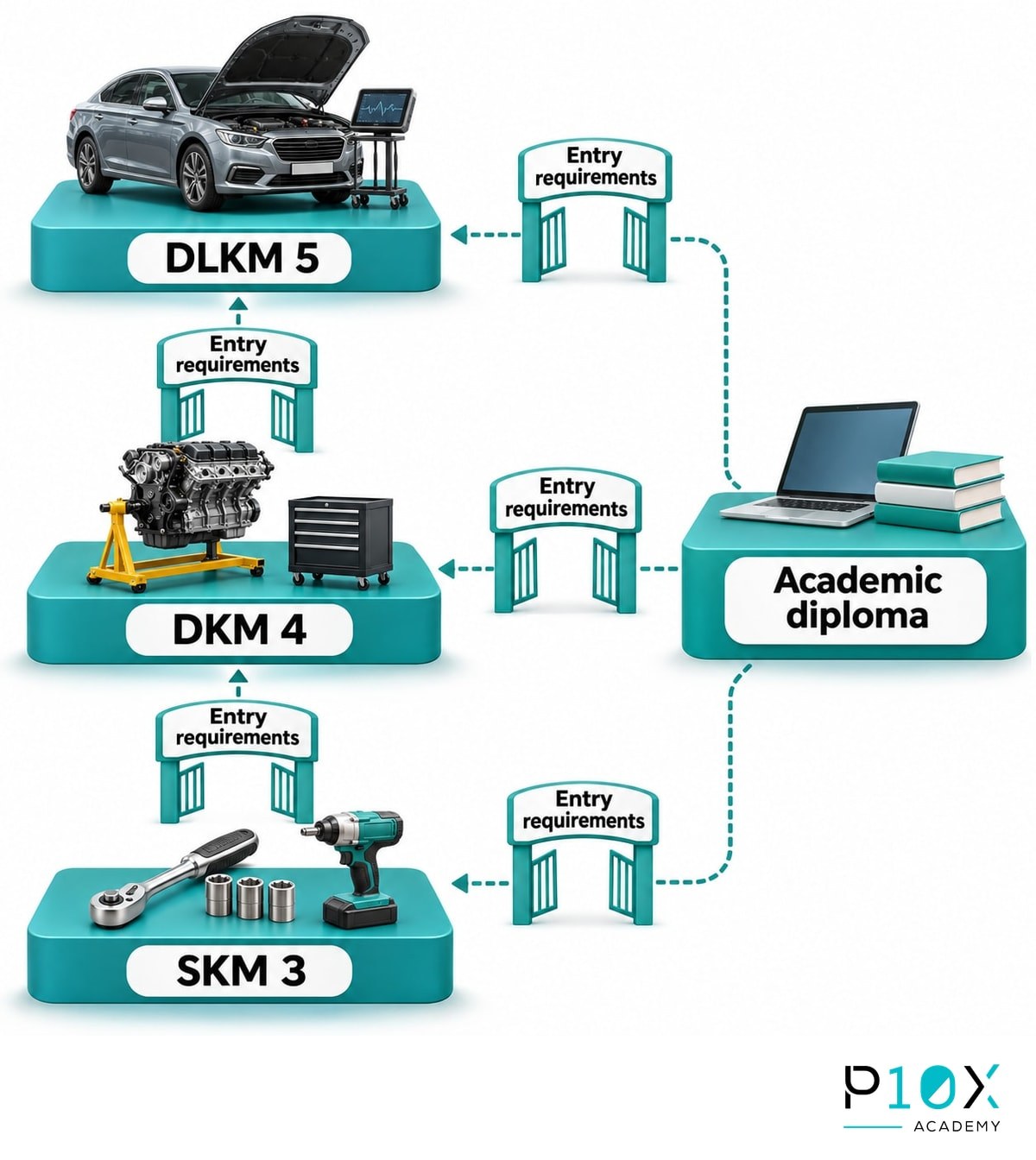
JPK lists SKM at Levels 1, 2 and 3. The awards after those are DKM at Level 4 and Diploma Lanjutan Kemahiran Malaysia (DLKM) at Level 5. These are different qualification names. Calling DKM “SKM Level 4” can make it harder to identify the right programme or ask about its entry requirements.[1]
Nor is the difference simply “DKM is practical, an academic diploma is theory”. JPK's training guidance includes assessment of knowledge and practical skills. You still need to understand why work is done a particular way, as well as demonstrate that you can do it to the programme's requirements.[4]
Module lists, assignments and industrial training arrangements give you something more concrete to compare. If you want to develop skills in your current field, these details can show whether the programme covers work you want to take on. If you have a particular degree in mind, the receiving university's entry requirements matter too.
DKM and DLKM are separate awards, not one certificate that changes its name after enough years at work. A qualification level describes a stage, not automatic permission to enter every later programme. Admission and any credit exemptions remain separate decisions for the receiving institution.[1][5][6]
Who can apply for a DKM programme?
An SKM Level 3 holder can consider a related DKM programme, subject to its entry requirements. Your previous field, the stage at which training begins and any additional centre requirements all matter. An offer covering earlier skills levels may admit different applicants from a programme that provides DKM training alone.[1]
JPK's qualification guidance allows accredited centres to set additional entry requirements. Two advertisements mentioning DKM therefore need not accept the same applicants. The requirements attached to an actual offer are more useful than assuming that SKM Level 3 qualifies you for any DKM programme.[1]
Changing fields adds another question. Your existing certificate is relevant information for an enquiry, but its level alone may not meet the requirements of a different field. A centre can explain whether it accepts that qualification or whether you would begin at an earlier stage. That answer affects both the time and cost of your plans.
For example, a UP_TVET listing for Pengurusan Pentadbiran at City Academy's Sabah branch describes SKM Levels 1 to 3 followed by DKM Level 4 over 27 months. This is one combined offer, not a national duration for DKM alone, an automotive programme recommendation or confirmation that an intake is currently open.[2]
If you are still at SKM Level 2, a useful question is whether the offer includes the training stages you have not completed or requires SKM Level 3 first. That distinguishes a route you could enter now from one for which you still need a prerequisite.
Requirements involving Sijil Pelajaran Malaysia (SPM) or age also depend on the offer and route. A condition for assessment of work experience should not be treated as a condition for every training programme. Giving the centre your qualification and field helps it answer for your application rather than repeat the general wording of an advertisement.[1][3]
Training or PPT: which route fits your experience?
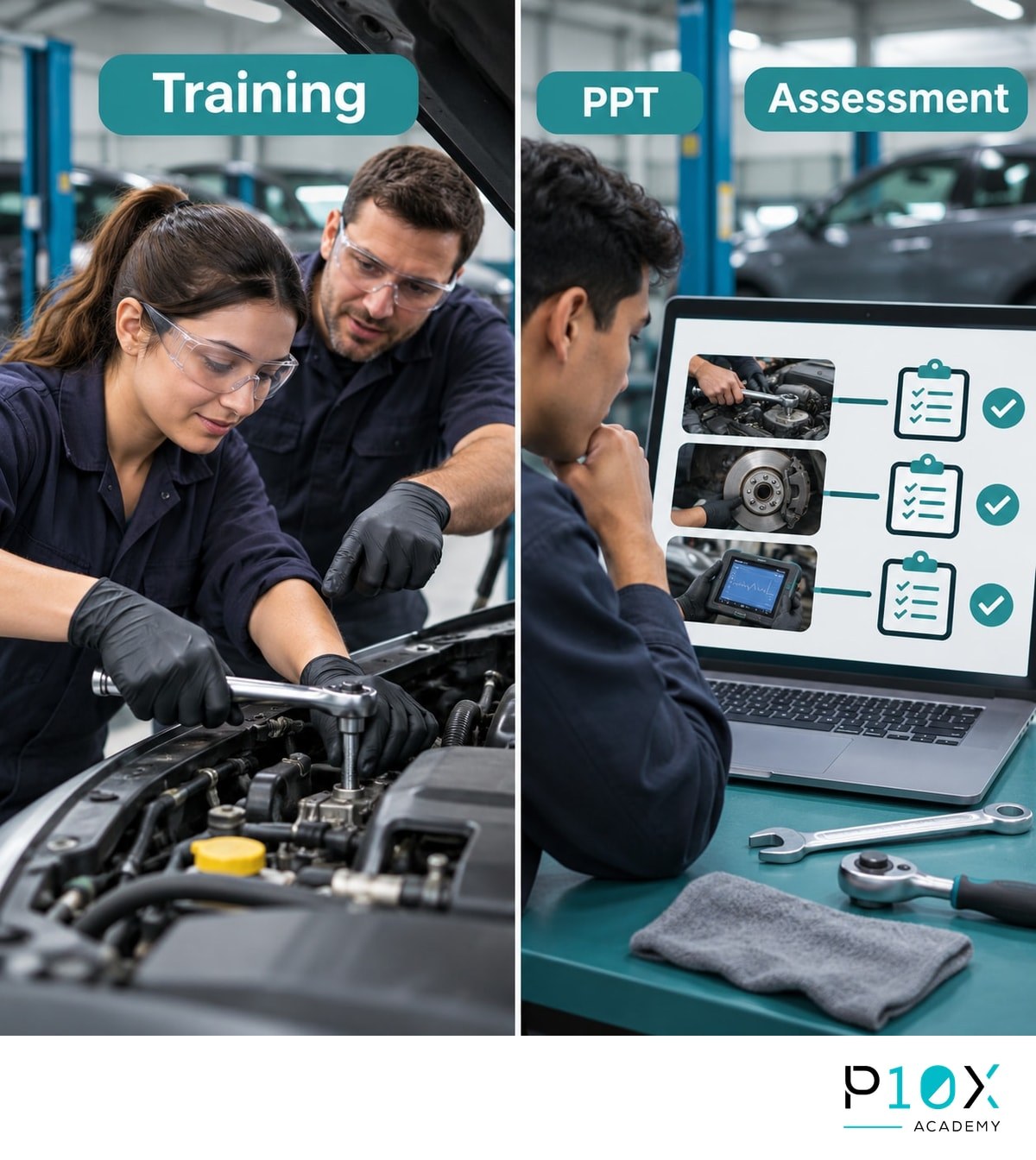
Training helps you learn skills you have not yet mastered. Pengiktirafan Pencapaian Terdahulu (PPT), or recognition of prior achievement, assesses skills gained through earlier work or training. The choice depends on what you can do and demonstrate, rather than which route is advertised as the fastest way to a diploma.[1][3]
Training for skills you still need to learn
JPK describes training at accredited centres as well as routes combining learning at an institution and a workplace. Availability depends on the programme, field and level. Centres may have different schedules and ways of delivering training, so the name of a route does not settle how often you would attend.[1]
If you are working, a written timetable helps you judge whether training fits around your job. Class times, practical sessions, training locations and industrial training commitments can affect that decision. “Flexible” alone does not tell you how many days you need to be present or whether your employer could accommodate a shift change.
Assessment of experience through PPT
PPT is not a short course that awards DKM simply because you have worked for years. Assessment refers to the National Occupational Skills Standard (NOSS) for the qualification sought. Your experience needs to match the relevant work requirements and be supported by suitable evidence.[3]
JPK's PPT 2026 guide sets a minimum age of 21 for a full DKM programme application through PPT. This is a condition of that route, not the minimum age for all DKM training. Relevant experience, prerequisites and assessment still apply. Required experience also differs according to previous qualifications and application type.[3]
Job descriptions, work records and reports can help show work you have actually done, subject to assessment requirements. A supervisory job title, for instance, does not replace evidence of relevant competence. Where records belong to your employer, discussing permission and confidentiality with the employer and assessor can help establish what may be shared.[3]
If most of the target skills are new to you, training provides a way to learn them. If that work is already part of your duties, PPT may be worth considering as a way to have the evidence assessed. Both involve assessment, but they start from different learning needs.
How can you find an accredited DKM programme?
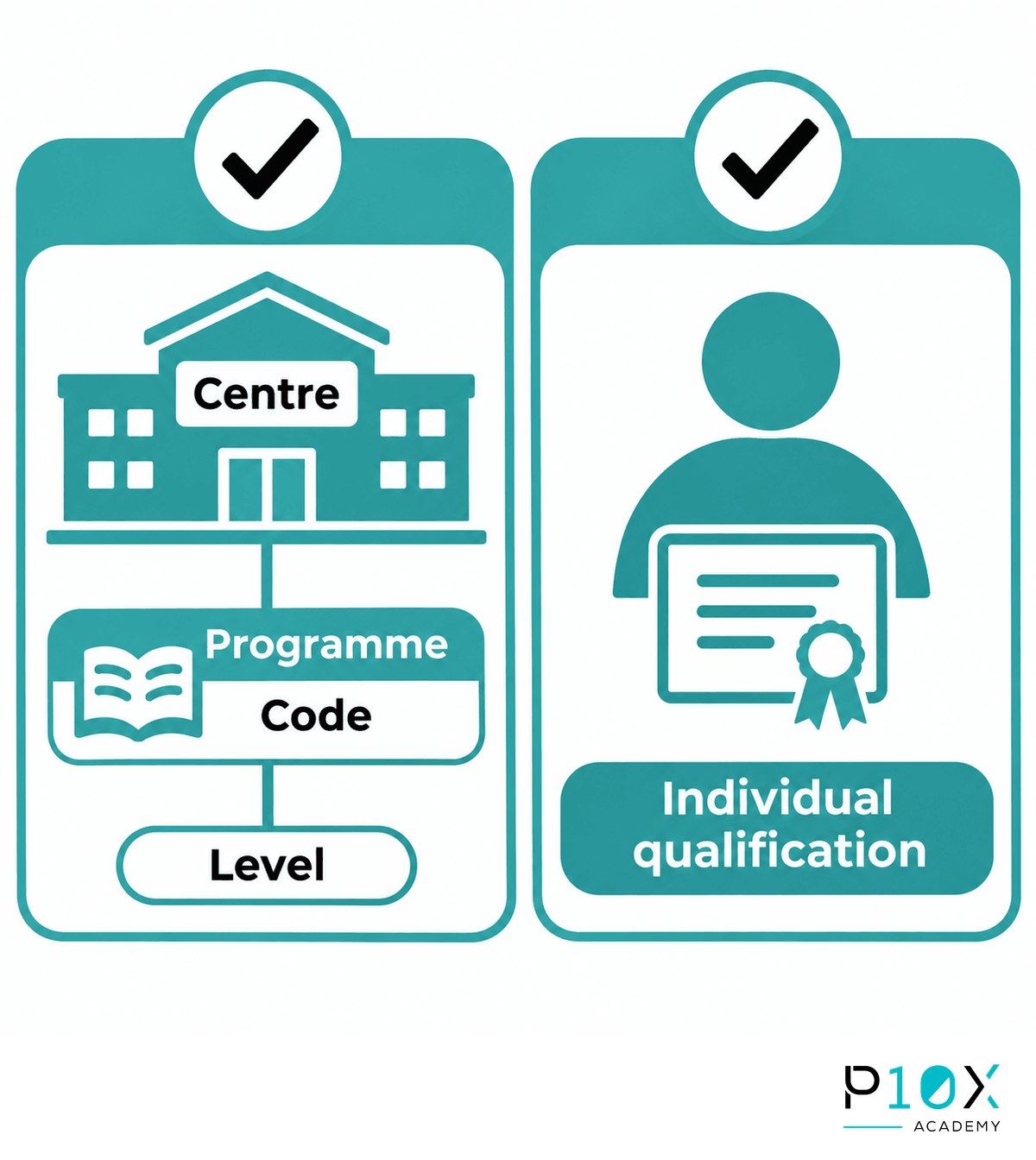
JPK directs applicants to MySPIKE for information on accredited programmes. The centre name, programme, code and level should match the offer you are considering. Finding a centre's name does not establish that every course it advertises is accredited. The relevant record is for the particular DKM programme you want to take.[1]
Through MySPIKE, you can look for centre and programme information. Having the offer beside you makes it easier to compare names, codes and levels. An advertisement saying only “skills diploma”, without programme details, may not provide enough information for a meaningful match.
If you cannot match a record, the centre can clarify which name and code it uses. JPK can help with questions that remain unclear. A search that returns no match is not, by itself, evidence of fraud. Equally, you do not need to pay while important details of the offer remain unexplained.
Considering SKM training in automotive aesthetics?You can compare the options in our SKM programmes. These are not DKM programmes.
For a DKM offer, the institution and programme still need to be clear, including who conducts training and manages assessment. An offer letter and official contact details provide a reference for later discussions about fees, schedules and application documents. They also let you refer back to the actual terms rather than an abbreviated advertisement.
A programme search and verification of an individual's qualification answer different questions. Programme records help identify training being offered. An individual's certificate concerns an award already granted to that person. A photograph of a former learner's certificate cannot replace details of the programme you are considering.[1]
How long does DKM take, and how is it assessed?
DKM duration depends on the programme, starting stage and route. Some offers include earlier SKM levels, while others concentrate on DKM. Training hours in a guide cannot simply be read as your number of months in study without knowing how the programme and its actual timetable are arranged.[4][2]
Table 4 of JPK's programme accreditation guide dated 1 July 2025 lists 1,200 training hours for the DKM row, including four months of industrial training. A separate row for DKM where the NOSS begins at Level 4 lists 3,600 hours. These describe different training arrangements, not a single duration for every DKM applicant.[4]
The 27 months in the UP_TVET example therefore cannot be compared with DKM training hours alone without accounting for the earlier stages included. An offer should explain where you begin, which levels you complete and how industrial training fits into the schedule. For someone working, its dates and location may affect leave arrangements or income during that period.[2]
Assessment is not based on attendance alone. JPK's training guidance includes theory and practical assessment, with a final project at Levels 4 and 5. Industrial training also forms part of the relevant institutional training requirements. Knowing the assignments and assessments you must complete gives you a fuller picture than the number of class days.[4]
For PPT, the 2026 guide requires Laporan Projek Kompetensi Calon (LPKC), a candidate competency project report, for DKM and DLKM. The candidate prepares it from a work project already completed or in progress, with presentation and verification requirements. If the project is still in progress, it must be completed before the verification session. This is more than submitting a record of how long you have been employed.[3]
Class dates, project work, industrial training and assessment together show what you would need to make time for. A completion date without that schedule leaves an important part of the commitment unexplained, especially if you need to arrange leave or continue earning while studying.
What costs and commitments come with DKM?
DKM costs need to be compared through actual offers, not one estimate assumed to apply to every centre. Besides tuition, you may need to allow for assessment, materials, travel and time away from paid work. A clear account of what each price includes makes the comparison more useful.
A lower headline fee may cover fewer items. A written breakdown can show what is included, what could cost extra and when payment falls due. Repeat assessments or a deferred term may also have costs. Knowing those terms before committing helps you compare offers on the same basis.
For someone paid monthly or supporting a family, payment timing can matter as much as the total. Due dates and travel expenses can be set against your income. If attendance falls on working days, an early conversation with your employer may clarify whether shifts or leave could be arranged.
Meeting entry requirements does not mean funding has been approved. If an offer mentions a loan or assistance, its separate terms can clarify how much is covered, repayment responsibilities and what happens if study is deferred. Refund terms also matter if your plans change after payment.
An initial enquiry can identify your current qualification, field of work and intended DKM programme without attaching every personal record. Entry and cost details can come first. Sensitive identity documents or work records are better shared through an identified official channel, rather than sent immediately to every number in an advertisement.
Can DKM lead to further study or work?
DKM can support an application for further study, but it does not automatically secure a place. Agensi Kelayakan Malaysia (MQA), the Malaysian Qualifications Agency, lists degree entry routes for DKM holders under the relevant requirements. The receiving institution, programme and field still matter, while credit transfer is a separate decision from admission.[5][6]
Within the skills pathway, JPK lists DLKM as the Level 5 award. That does not mean every DKM holder can enter it at any centre. A related programme and its admission requirements still need to fit your qualification and intended field.[1]
If you have a particular degree in mind, the institution offering it can explain which qualifications it accepts. Your full qualification name and field help it answer for the course you want. A general statement that DKM holders “can continue to a degree” does not tell you whether your chosen DKM meets that programme's requirements.[5]
Claims about a shorter degree need the same care. MQA's policy FAQ explains that credit transfer for technical and vocational education and training qualifications, including DKM, depends on mapping and current policy. Being admitted does not necessarily mean that earlier modules will be exempted.[6]
For work, comparing actual job requirements with the skills taught can help, particularly if you want more specialised duties. DKM does not guarantee employment, promotion or a particular salary. Employers may also consider your experience, ability to carry out the work and the requirements of the position.
A written answer from the receiving institution gives you a reference if further study is central to your decision. For career plans, job descriptions or a discussion with your employer can help establish whether the DKM content relates to work you want to do. Those details make the choice more specific than simply wanting a higher qualification.
A DKM route that fits your qualifications
A suitable DKM route needs to fit your field, entry qualifications and the time and cost you can manage. An SKM Level 3 holder can begin with related programmes. Someone changing fields needs to know the starting stage, while an experienced worker considering PPT needs to understand its evidence and assessment requirements.
Our programme list includes SKM Levels 2 and 3 and other training, not a DKM offer. If DKM is your goal, you can consider institutions with a relevant programme and get a clear account of entry requirements and study arrangements before deciding.[7]