
Key TakeawaysHide
- P10X Academy, 3M Malaysia and Lee Motor met to discuss training.
- The 3 October 2025 update described opportunities for new and existing workers.
- The post reported a discussion, not a signed agreement.
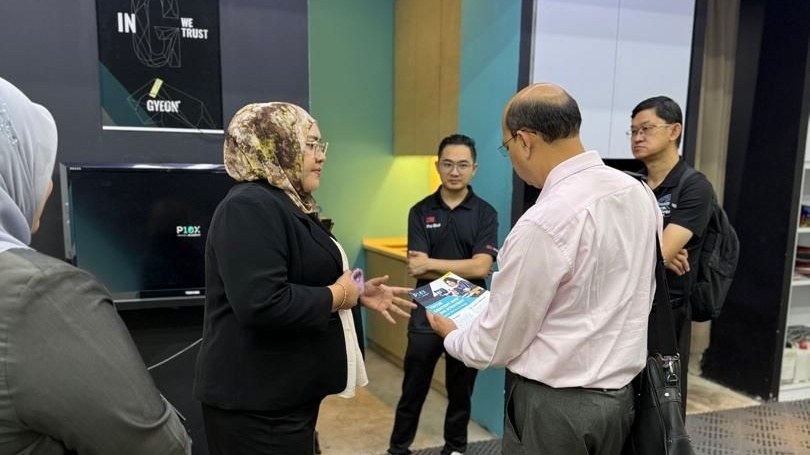
P10X Academy met with 3M Malaysia and Lee Motor to discuss automotive aesthetics training. In a 3 October 2025 LinkedIn update, Academy principal Che Salwani identified Lee Motor as a 3M distributor in northern Malaysia. She described two aims for the discussion: helping young people find a way into the trade and helping people already working in it improve their skills or gain recognition for what they can do.
Where those skills are used
Lee Motors Auto Care lists window film, paint protection film, coating and detailing among the services at its Bodyworks 3M Pro Shop in Alor Setar. Those jobs call for different skills, even when they happen in the same workshop. A tint installer works on glass, while a paint protection film installer fits film to painted panels. A detailer may spend more time cleaning interior materials or assessing a paint finish before polishing it.
The 3M Malaysia automotive window film page shows the materials side of one of those services. A customer may see the differences between films on a product page, but the installer has to prepare the glass, fit the film neatly and spot any flaws before handing the vehicle back. These examples explain why a supplier and a workshop have different perspectives to bring to a training discussion. They were not a list of modules agreed at the meeting.
Interested in improving your car detailing skills?See the course details. The five-day technical course covers polishing, paint correction and surface protection. It is not a course announced at the meeting.
Two groups of workers, two training needs
A beginner learning detailing may need to see a job through from checking the condition of a vehicle to inspecting the finished work. They also need someone to explain why a mark remained or why a surface did not respond as expected. An experienced technician might instead come in with a job they can already do and a specific skill they want to improve. Someone who regularly cleans interiors, for instance, might want more supervised practice with paint correction rather than repeating the entire introduction to detailing.
The Academy’s current five-day detailing course gives an example of that more focused training. The course page lists paint knowledge, preparation and work on polishing and coatings, as well as care for interiors and exteriors. An employer considering training for a team could use topics like those to identify who needs practice with which work. The October post does not say that any of the three organisations agreed to run that course together.
Learning a skill and getting it recognised
Che Salwani also mentioned accreditation for people already in the trade. That is a different question from whether a short course teaches a useful workshop skill. The Department of Skills Development’s Recognition of Prior Achievements route is one example of how formal recognition works in Malaysia: applicants have to show that what they have learned through experience meets the relevant occupational skills standard. Length of service alone does not show which tasks a person can carry out or how well they do them. Che Salwani did not name that route, or any other assessment scheme, for the proposed collaboration.
The update records a meeting, not a signed agreement. It did not confirm who would deliver any joint programme, how workers would be assessed or when they could apply. For a workshop deciding what to ask for, the starting point is whether staff need more supervised practice or a way to demonstrate the skills they already use on the job. The meeting put both needs on the table.