


Key TakeawaysHide
- Perodua’s Tanjung Karang team took part in a P10X Academy session.
- The team practised filming with phones.
- A video shared in August 2025 shows the classroom and showroom exercises.
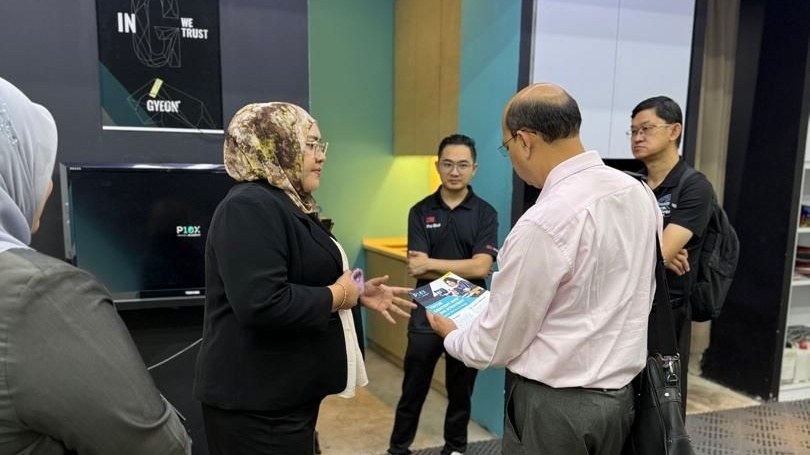
Perodua’s Tanjung Karang team practised making short car videos in a P10X Academy training session. A participant’s video shared by principal Che Salwani on 6 August 2025 shows staff trying camera movements with their phones in a classroom, then taking those movements onto the showroom floor.
From the classroom to the showroom
In the classroom, a person at the front demonstrates a movement as staff stand up around the tables and hold their phones in front of them. The later footage gives a clear example of what changes when the car becomes the subject. One clip starts close to the blue bonnet of a Perodua Ativa. As the camera draws back, the grille, lamps and model plate come into view together. The close shot draws attention to the bonnet first, and the wider shot shows how it fits into the shape of the car’s front.
A different clip passes a showroom display and comes alongside a white Perodua Aruz with a red bow on the bonnet. It gives the viewer a sense of the car from the front corner rather than repeating the direct view used for the Ativa. The two examples show how much difference the path of a phone can make, even when the vehicle stays still. They do not establish which models every participant filmed or whether the dealership later published their practice clips.
Interested in planning short-form content and live demos?See the course details. The TikTok Live Engagement & Advertising Strategies course covers live scripting and audience engagement. It is separate from the Perodua training shown here.
What a customer needs to see in a short car video
A moving shot can introduce the car, but it may not be the best way to answer every question. If a viewer wants to see how high the boot opening is, a steady view with the tailgate up is more useful than an uninterrupted walkaround. If the point is where to find a dashboard control, a close shot that holds long enough to locate it can be more helpful than another view of the front bumper. Those are examples for a showroom team, not additional exercises identified in the training video.
For a clip about a feature, it helps to know the exact version being filmed. A feature shown clearly still gives the wrong impression if a viewer assumes it is fitted to a different variant. Perodua’s official site gives customers a place to look up its current model information. A team can use the relevant product page to check a claim before recording it, then name the model and version on screen or in the caption. That is a separate task from learning how to move the camera.
Why the pair of settings matters
Practising in the classroom lets someone try the motion before having to think about where the car sits, where the light falls or what appears behind it. On the showroom floor, staff can judge the actual framing: does the shot end early and cut off the car, or does a sign pull attention away from the part they meant to show? Watching a clip once without sound can help the team see whether the main point is clear from the picture alone, particularly if the video is meant to show customers a shape, a position or a movement.
The August video is valuable because it shows both stages, rather than presenting only a polished clip. It documents practice with a phone; it does not announce a new Perodua campaign or report how the training affected sales.