


Key TakeawaysHide
- Che Salwani reported training for 105 automotive professionals.
- The Corporate Division delivered 64 hours of training, according to her update.
- She named Kota Warisan, Banting, Sunway and Puncak Alam.
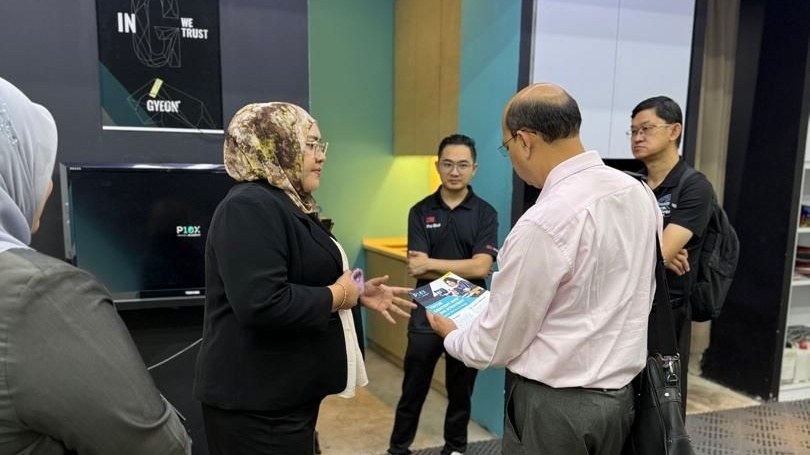
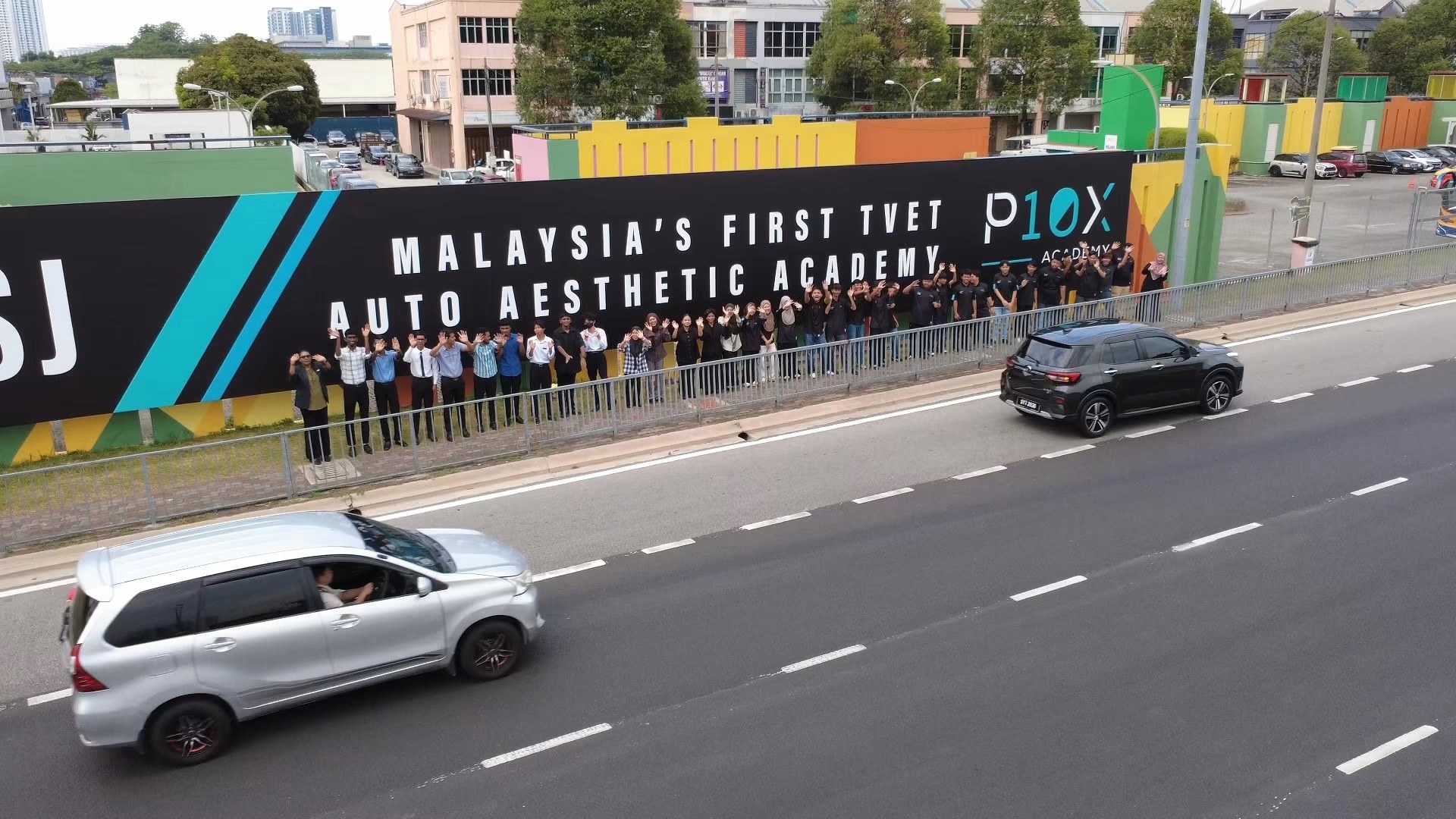
P10X Academy principal Che Salwani reported that its Corporate Division trained 105 automotive professionals and delivered 64 hours of training in September 2025. She shared the figures in a 24 September LinkedIn update about the Academy’s work with dealership teams. The people and hours are two separate totals, reported together as a snapshot of the division’s work.
Where the training took place
Che Salwani named Kota Warisan, Banting, Sunway and Puncak Alam. She credited the coach, training coordinator and Corporate Division manager for their work. The post did not give a class schedule or show how the hours and participants were divided between locations. It also shared a separate Academy update about completing a programme with the Proton dealership in Puncak Jalil. That is a different place from Puncak Alam. The post does not say whether the Puncak Jalil session was included in the totals, so it should not be counted as an extra entry on top of them.
The Honda Banting media skills recap offers a closer look at one of the locations. It names the group that took part, gives the dates as 8 and 9 September, and describes the focus as handling media tasks. That detail helps explain what can sit behind a monthly report. The wider September update gives a sense of scale, but it does not suggest that every dealership received the same training or that everyone spent the same amount of time in a classroom.
Interested in improving the way your service team speaks with customers?See the course details. The Academy’s aftersales course covers customer service, selling and negotiation for service-centre teams. The September figures cover the division’s wider work, not this course alone.
What the September totals can tell an employer
A count of staff tells you how many people the Academy reported reaching. The 64 hours describe how much training the division said it delivered, not the amount each person attended. Dividing one total by the other would not give a reliable class size or an average time in training. To work out either, an employer would need the schedule and a record of who attended each session. For example, a morning class repeated with a second group in the afternoon uses two slots on the trainer’s calendar, but each learner only needs to be away from work for one of them. If someone attends two different sessions, that is the opposite situation: the training has taken two slots in their working week, but it has still reached only one person. The September update does not give the counting method needed to separate those cases.
A dealership group planning training in more than one location might use both measures for different decisions. A headcount helps a manager decide how many staff can leave the workshop or service counter at once. The hours help a coordinator work out whether a trainer can repeat the same session at another branch that week. If each branch needs something different, it also matters which team is booked into which session. A media skills class for one group and an aftersales session for another would both add to the division’s training hours, while taking people away from different parts of the business.
Attendance and hours show the work involved in running training across sites. To find out what it changed, a dealership would need to see how staff handle the relevant task afterwards. For a service adviser, that could mean listening to how they explain a repair recommendation and checking whether the customer understands what needs approval. The Academy’s September post did not report a follow-up measure of staff performance; it recorded how much training the division said it had delivered.