
Key TakeawaysHide
- Che Salwani described eight parts of the Academy’s Talent Hubs approach.
- The approach covers technical training and skills for working with customers and colleagues.
- Industry assessment and help finding placements are two parts of the approach.
In a 28 August 2025 LinkedIn post, P10X Academy principal Che Salwani outlined how the Academy recruits, trains and assesses students before helping them look for work. She called the approach Talent Hubs and described it as a model the Academy would keep refining in light of what it observed during training. She set out to connect what students learn with the skills workshops expect, rather than treating classwork and finding a job as unrelated tasks.
What happens before students look for work
The first four parts of the model cover finding new learners, planning what they will learn, building their practical skills and helping them communicate and work with others. Che Salwani described schools as a place to recruit new talent and said structured assessments are part of building competence. Checking progress during the course gives tutors time to see where a learner still needs practice before asking them to do the work with less guidance.
Working with people is a separate part of the model. In a detailing workshop, a learner might need to tell a colleague what has already been done on a vehicle or explain why a mark should be looked at before making a promise to a customer. Those conversations are different from operating a polisher or cleaning an interior. Listing them separately helps show why a course can assess practical work and still make time for communication.
Interested in working towards a Malaysian Skills Certificate in car detailing?See the course details. Review the Level 2 scope, entry information and the Academy’s current enquiry options.
How the Academy and workshops assess students
The fifth and sixth parts are the Academy’s own assessments and the checks it makes with industry partners. Internal checks can show what has improved from one practice session to the next. A workshop assessment gives staff from outside the classroom a chance to see how students approach the work in a setting closer to the one they may enter. Someone assessing the work can look at the finish and also ask a learner to explain the decisions they made along the way.
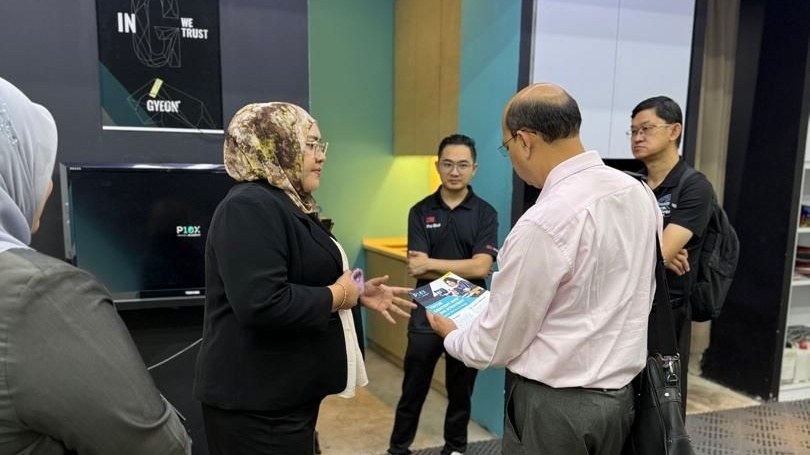
The LinkedIn post shared the Academy’s account of a final assessment with 63 Auto Detailing by Prestige Car Care. In that account, the Academy said students demonstrated technical skills, attention to detail and problem solving. Its March 2025 account of an agreement with Prestige Car Care also named technical skills development and workplace exposure as aims. The final assessment with TRAPO Malaysia gives another example of a workshop partner getting involved before students look for work.
Where certification and placements fit
Certification and placement make up the last two parts. The Department of Skills Development (JPK) oversees Malaysian Skills Certification, including the Sijil Kemahiran Malaysia (SKM). Che Salwani included certification in the Talent Hubs outline, but the route and assessment depend on the programme a learner takes. The current car detailing programme above, for example, lists exterior washing, interior detailing and polishing as areas of training. That is a useful course example, not a list of what every learner in the post was assessed on.
An industry assessment is not itself a job offer. Placement support can help a learner find out where there may be suitable work and prepare to apply. For a student or parent considering a course, the useful questions are what the learner will have to demonstrate, who will assess the work, and what kind of help remains available when it is time to approach employers.